Wi-Fi
 WiMAX
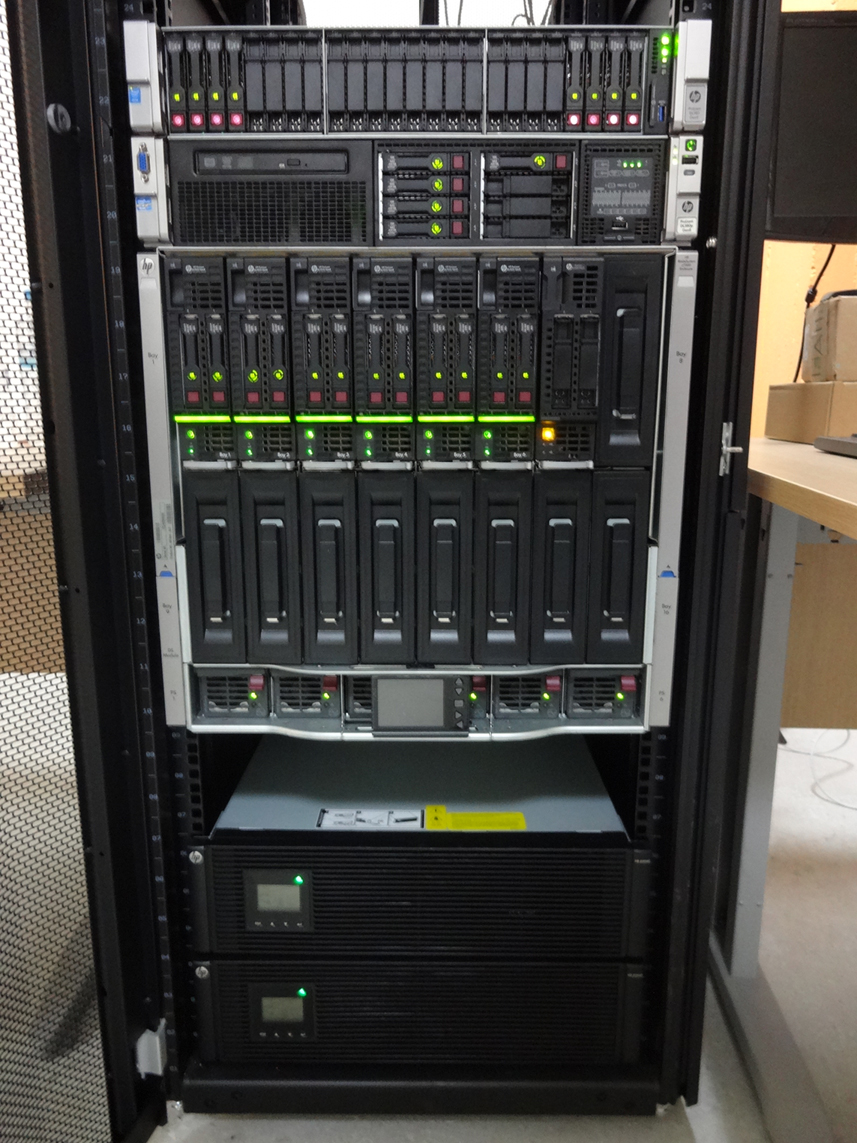 Each blade server has
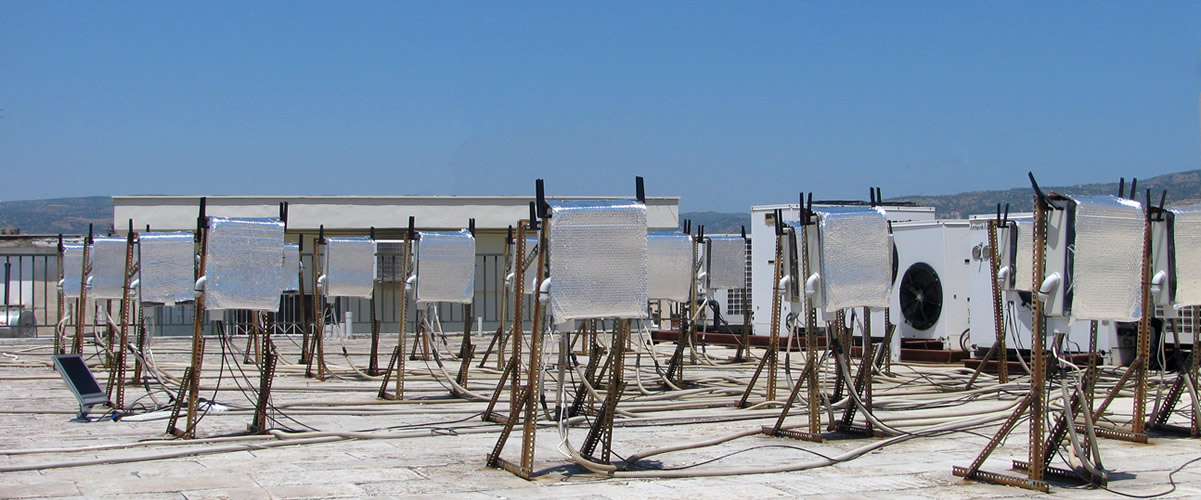
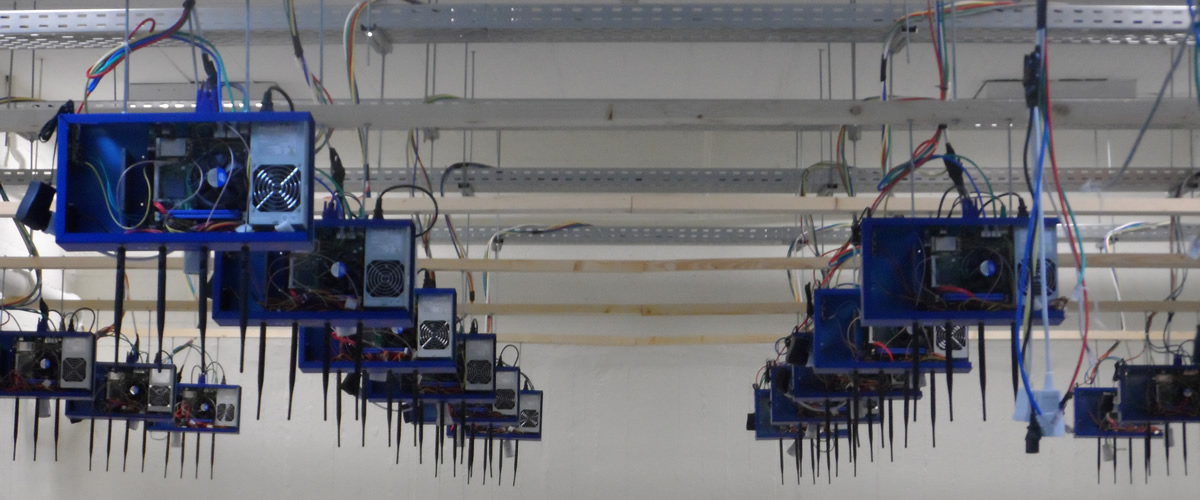
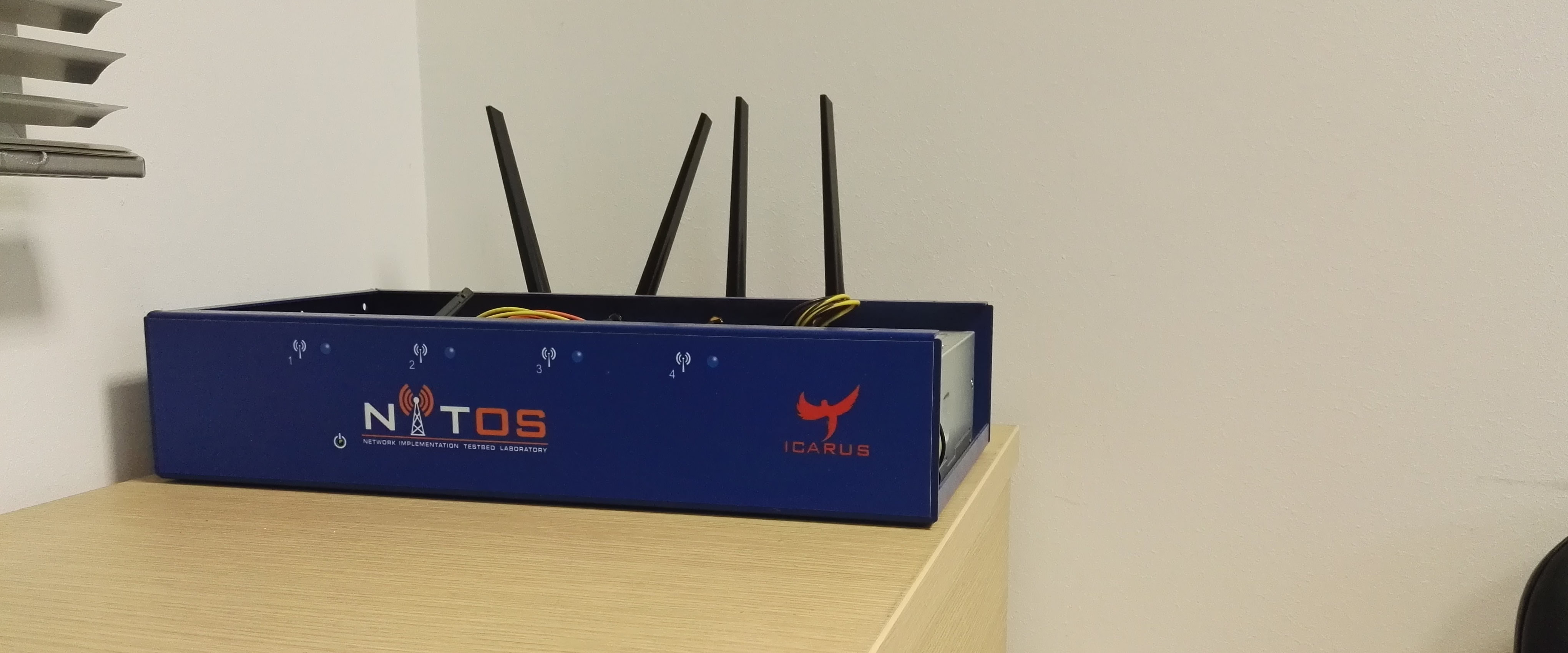
CONECT proposes a holistic network design approach that drastically enhances performance in wireless networks by unlocking the hidden potential of the broadcast wireless medium. Information and communication theory, and protocol design engineering are used as the foundations for developing provably optimal cooperative information forwarding strategies, from multi-signal fusion to packet relay and node reciprocation. As a result, close to optimal end-to-end throughput is achieved while energy consumption is significantly reduced and other performance metrics like delay can be controlled.
Wireless information transport is currently realized under the highly suboptimal assumptions of point-topoint communication and strict signal separation. Recent network information theory advances suggest approaches for constructive exploitation of the multiplicity of signals arriving at a wireless node, traditionally considered as harmful interference. Building on this foundation, CONECT will develop an architecture that exploits these principles all the way from the physical communication substrate to cooperative packet level access and forwarding, to application level information exchange. Many-tomany information exchange modes like multicasting and any-casting will particularly benefit from this approach as the broadcast effect inherently amplifies the multicast transport capability. This constitutes a significant advance from more traditional approaches where interference is treated as a foe.
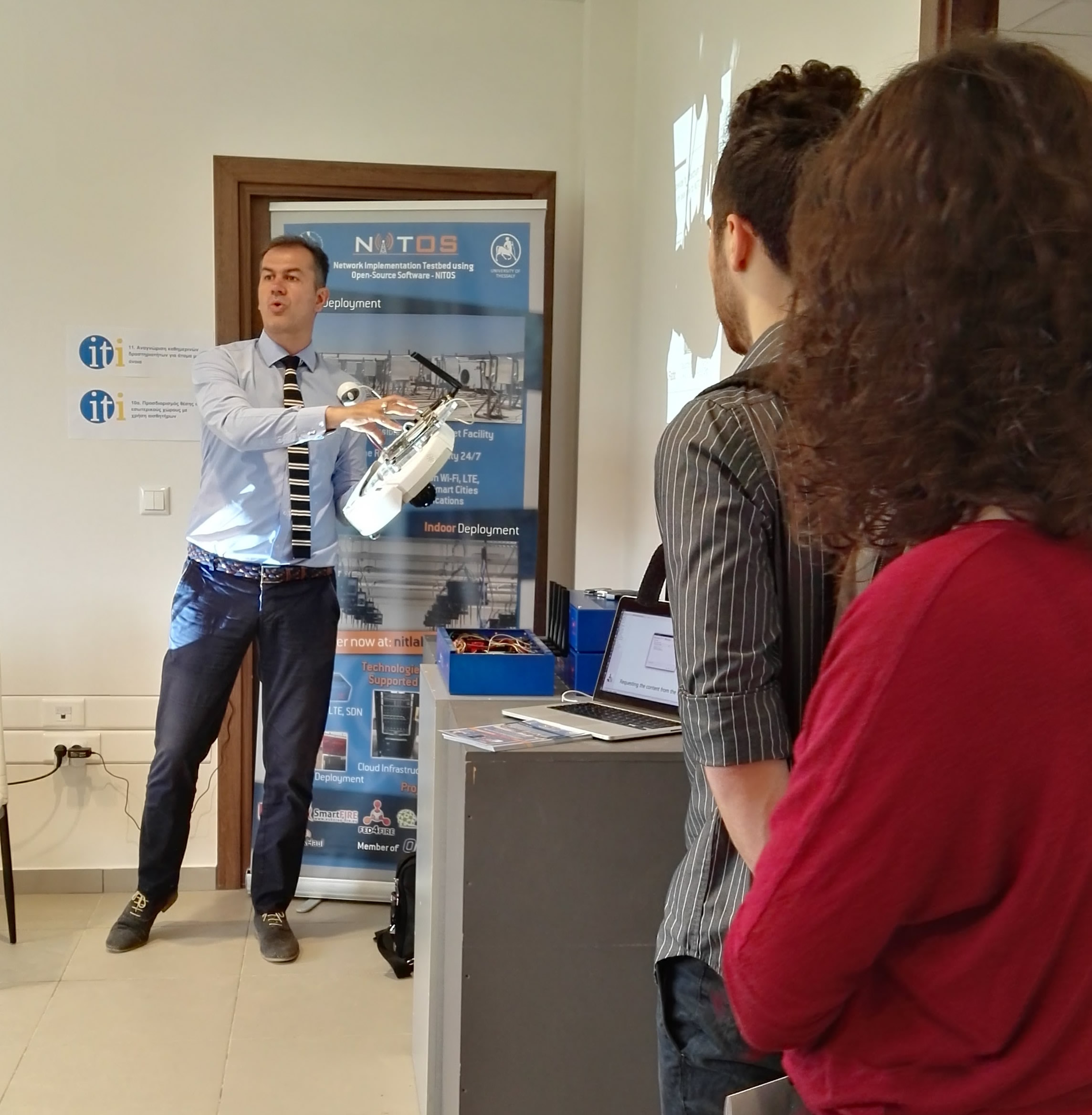
A concrete experimentation plan will validate the design choices and at the same time provide real-world feedback for fine-tuning of the architecture. It will be based on the OPENAIRINTERFACE test-bed for flexible radio network design and the NITOS test-bed for cooperative wireless access and transport. A video multicast application will provide the basic evaluation scenario. NITOS, being an ONELAB testbed, will provide the link to federation with the Planetlab-Europe infrastructure.
Project's website: http://www.conect-ict.eu/